What is a Wireless Speaker and How Does It Work?
A wireless speaker is a cutting-edge audio device that eliminates the need for physical cables, allowing users to enjoy music and audio content with greater convenience and flexibility. There speakers use wireless technology, primarily Bluetooth or Wi-Fi, to transmit audio signal from a source device (like a smartphone, tablet, or computer) to the speaker itself.
Wireless speakers operate by receiving and decoding digital signals transmitted over the air. The speaker’s internal components then convert these signals into sound waves that can be heard by the listener. The process generally involves the following steps:
- Signal Transmission: The source device sends an audio signal to the wireless speaker using either Bluetooth or Wi-Fi.
- Signal Reception: The wireless speaker’s receiver detects and captures the incoming signal.
- Digital-to-Analog Conversion: The signal is processed and converted from digital to analog form.
- Sound Production: The analog signal drives the speaker’s drivers, producing sound waves that are emitted through the speaker.
How Wireless Speakers Utilize Bluetooth Technology
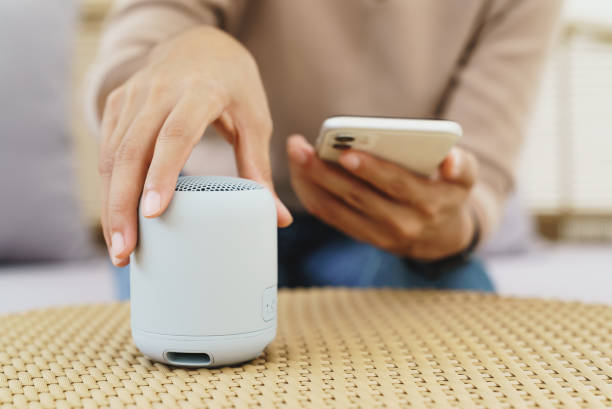
Bluetooth technology has become a cornerstone of wireless audio systems due to its efficiency and ease of use. It enables wireless communication between devices over short distances, typically up to 30 feet (10 meters). Here’s how it works in wireless speakers:
- Pairing: The speaker and the source device establish a connection through a process called pairing. This involves the devices discovering each other and exchanging authentication codes.
- Signal Transmission: Once paired, the source device transmits audio data to the speaker using radio waves within the 2.4 GHz frequency range.
- Audio Playback: The speaker receives the data, processes it, and converts it into sound.
Bluetooth 5.3 Versus Its Predecessors
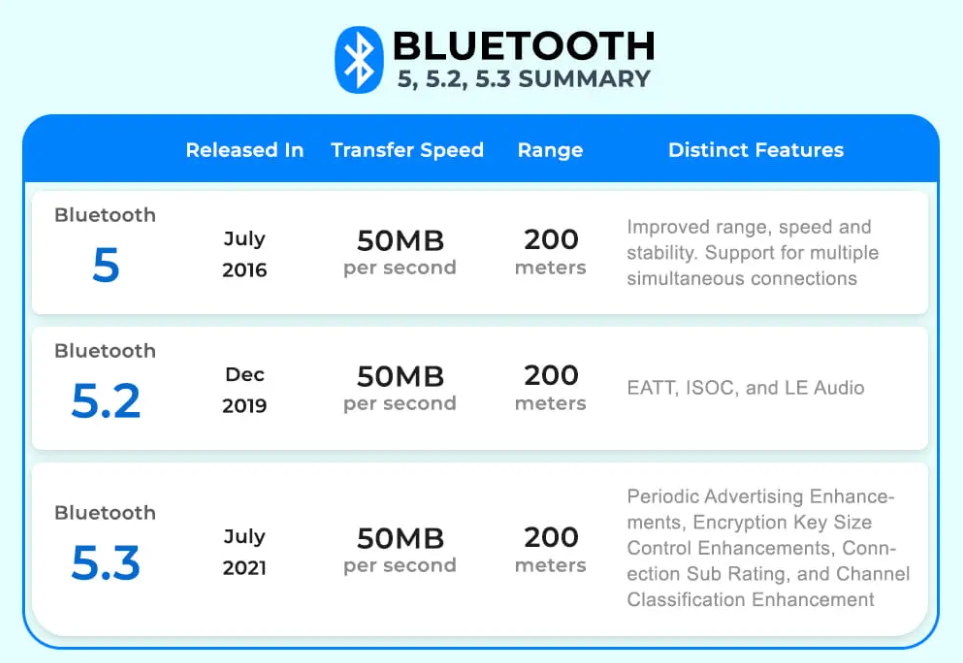
Bluetooth 5.3 is the latest iteration of Bluetooth technology building upon the enhancements introduced in earlier versions. To understand the advancements, it’s important to compare Bluetooth 5.3 with its predecessors:
Bluetooth 5.0 (Release: 2016)
Bluetooth 5.0 marked a significant advancement in wireless technology.
- Increased Transfer Rates: Doubled the transfer rates to 50 Mbps, allowing for faster data transmission.
- Extended Range: Quadrupled the range to up to 240 meters, enhancing flexibility in speaker placement.
- Maintained Low Power Consumption: Continued to support low energy usage, which is crucial for battery-operated devices.
Bluetooth 5.1 (Release: 2019)
Bluetooth 5.1 introduced features that enhanced device location tracking:
- Enhanced Location Precision: Enabled devices to determine the exact location of connected devices within a few centimeters.
- Direction Finding: Allowed devices to pinpoint the direction from which a signal was coming, improving connection accuracy.
Bluetooth 5.2 (Release: 2020)
Bluetooth 5.2, also known as Bluetooth LE Audio, introduced several key enhancements:
- Low Complexity Communication Codec (LC3): A new codec that provides better audio quality by effectively compressing and decompressing data. It also allows simultaneous audio transfer to multiple devices.
- Improved Energy Efficiency: Enhanced battery life for connected devices used for audio playback.
- Example Device: The TCL P Series 3.1 Channel Dolby Atmos Soundbar with Wireless Subwoofer uses Bluetooth 5.2 technology.
Bluetooth 5.3 (Release: 2022)
Bluetooth 5.3 builds on previous advancements with further improvements:
- Lower Power Consumption: Offers greater energy efficiency during use, extending battery life for both the speaker and source devices.
- Reduced Interference: Enhances connection stability by minimizing interference from other wireless devices.
- Improved Connection Security: Provides better security features to protect data during transmission.
- Example Devices: The TCL C Series 5.1.2 Channel Dolby Atmos Soundbar and the TCL X Series 7.1.4 Channel Dolby Atmos Soundbar both utilize Bluetooth 5.3 technology.
What has Improved in Bluetooth 5.3?
Bluetooth 5.3, released in May 2022, introduces several key improvements over previous versions that enhance performance, security, and user experience. Here’s a detailed look at the advancements:
- Improved Data Handling: Bluetooth 5.3 refines the way data is transmitted and received. Normally, Bluetooth devices send out the same data multiple times to ensure it is successfully received. With this new feature, data only needs to be checked once, as duplicates are automatically removed. This innovation enhances discovery and tracking capabilities, particularly in crowded environments with numerous Bluetooth Low-Energy (BLE) devices. It reduces the likelihood of data congestion and improves the efficiency of device interactions.
- Flexible Security Options: Bluetooth 5.3 offers more control over encryption key sizes, allowing users to choose between longer keys for higher security or faster encryption algorithms for quicker performance. This flexibility addresses different needs depending on whether the priority is security or speed. By enabling the host device to specify a minimum key size, Bluetooth 5.3 reduces the amount of negotiation required between devices, streamlining the encryption process and improving overall data security.
- Enhanced Switching Efficiency: This feature improves the user experience by facilitating quicker transitions between low-duty and heavy-duty cycles. It optimizes the connection handling process, allowing for more efficient switching based on the current data transmission requirements. This enhancement helps maintain a stable connection while minimizing latency during periods of high data activity.
- Reduced Collision Risk: Bluetooth 5.3 introduces channel classification for peripheral devices. Previously, only central devices could perform this function, but the new capability enables peripheral devices to classify channels during packet transfer. This advancement reduces the risk of collisions and interference, leading to more reliable and stable connections.
Special Bluetooth 5.3 Speakers on Amazon
Sony SRS-XB43
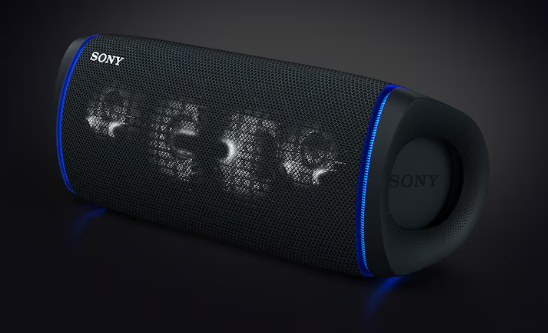
The Sony SRS-XB43 is a powerhouse in the world of wireless speakers, known for delivering deep, impactful bass and an impressive sound experience.
Key Features:
- Powerful Bass: Equipped with dual subwoofers and large, high-efficiency tweeters, the SRS-XB43 produces rich, deep bass that enhances music playback, making it ideal for genres that benefit from strong low frequencies.
- Long Battery Life: The speaker boasts an extended battery life of up to 24 hours on a single charge, ensuring that it can keep the music going for long periods without needing frequent recharging.
- Bluetooth 5.3 Technology: With Bluetooth 5.3, the SRS-XB43 benefits from improved connectivity, allowing for stable and seamless pairing with devices. This version of Bluetooth enhances data transfer efficiency and reduces connection drops, providing a more reliable wireless audio experience.
- Durability: The SRS-XB43 is designed to withstand various conditions, featuring a rugged build with IP67 waterproof and dustproof ratings. This makes it suitable for outdoor use and resistance to splashes and dust.
Additional Features:
- X-Balanced Speaker Units: These units help to enhance sound clarity and minimize distortion.
- Party Connect: Allows you to connect multiple Sony speakers for a synchronized sound experience across larger areas.
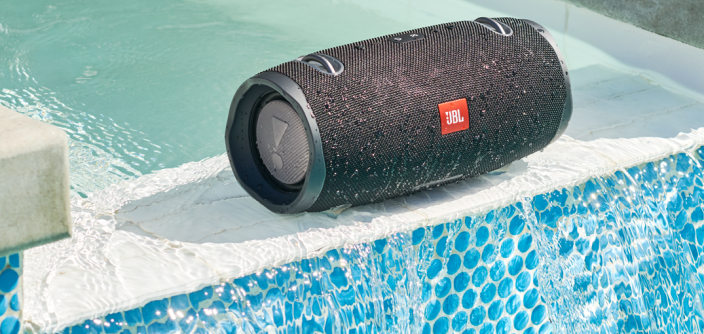
JBL Xtreme 3

The JBL Xtreme 3 is celebrated for its robust sound profile and rugged construction, making it a favorite for outdoor enthusiasts and those needing a durable speaker.
Key Features:
- Robust Sound: Featuring four drivers and two JBL Bass Radiators, the Xtreme 3 delivers powerful, immersive sound with a strong bass response. This makes it ideal for both indoor and outdoor use, where sound quality needs to cut through environmental noise.
- Rugged Durability: Designed with an IP67 rating, the Xtreme 3 is fully waterproof and dustproof, ensuring it can handle spills, rain, and rough outdoor conditions. Its rugged design also includes reinforced rubber housing and metal hooks for added durability.
- Bluetooth 5.3 Technology: The integration of Bluetooth 5.3 provides reliable and high-quality wireless streaming. The advanced Bluetooth version ensures stable connections with minimal interference, enhancing the streaming experience.
- Long Battery Life: It offers up to 15 hours of playtime on a single charge, supporting extended listening sessions without interruption.
Additional Features:
- PartyBoost: Allows users to connect multiple JBL PartyBoost-compatible speakers to amplify the sound and create a more immersive audio experience.
- Built-in Power Bank: Features a power bank function that allows you to charge your devices on the go.
Bose SoundLink Flex
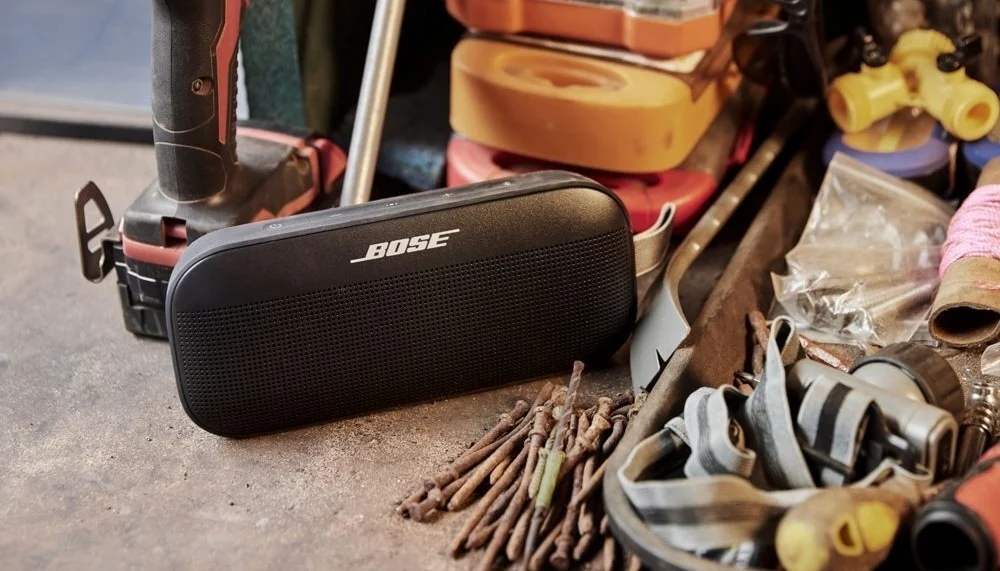
The Bose SoundLink Flex is a compact, highly portable speaker known for its excellent sound performance and convenience.
Key Features:
- Compact Design: The SoundLink Flex is designed to be small and lightweight, making it easy to carry in a bag or hold in one hand. Despite its size, it delivers surprisingly rich and clear sound.
- Enhanced Audio Performance: It features a custom-designed transducer and a passive radiator that deliver full-range sound, providing crisp highs and balanced bass.
- Bluetooth 5.3 Technology: The inclusion of Bluetooth 5.3 ensures efficient, stable connectivity with fewer dropouts and interruptions. It also helps in enhancing the overall wireless performance.
- Durable Build: The speaker has an IP67 rating, making it waterproof and dustproof. Its rugged exterior is designed to withstand harsh conditions, including being submerged in water for short periods.
Additional Features:
- PositionIQ Technology: This feature optimizes the sound quality based on the speaker’s orientation, ensuring the best audio experience whether it’s lying flat or hanging.
- Up to 12 Hours of Battery Life: Provides ample playtime for day-long outings or extended use without needing a recharge.
How to Select the Right Speaker for You
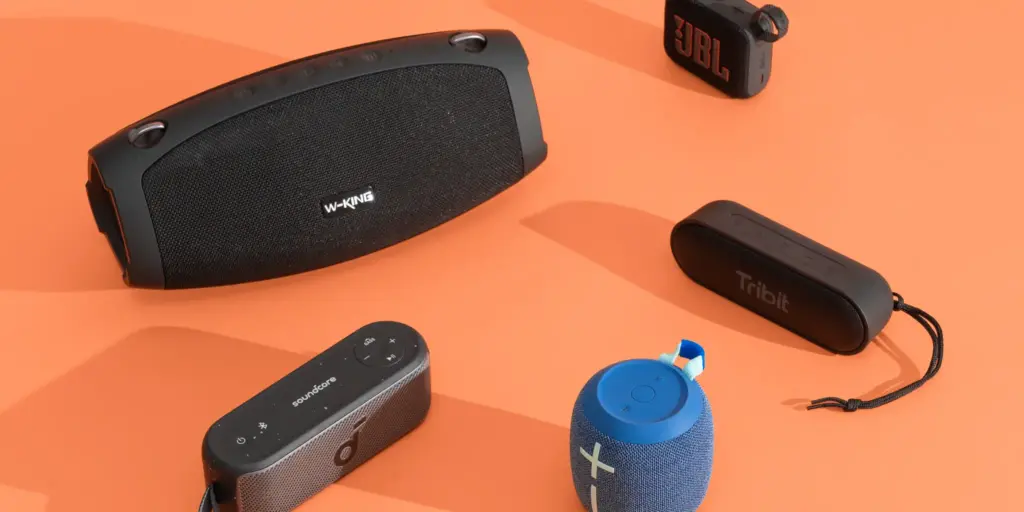
Choosing the right wireless speaker involves considering several factors to ensure it meets your needs:
- Audio Quality: Look for speakers with clear sound, balanced bass, and minimal distortion. Check for models that support high-resolution audio if quality is a priority.
- Battery Life: Evaluate the battery life to ensure it aligns with your usage patterns. Some speakers offer extended playtime, which is ideal for travel or outdoor activities.
- Connectivity: Ensure the speaker supports the latest Bluetooth version, like Bluetooth 5.3, for the best performance. Check for additional connectivity options like AUX inputs or Wi-Fi if needed.
- Portability: Consider the size, weight, and build quality. Portable speakers should be lightweight and durable, with features like water resistance for outdoor use.
- Price: Determine your budget and compare options within that range. High-end models offer premium features but are generally more expensive.
Explore More!